All winter squash are welcome in this Easy Baked Pumpkin. Want to know what pan-roasting is? It produces the same caramel flavor baked in the oven — only quicker, straight on the stove (stove for my British friends). This is a simple side dish for fall and winter meals or holidays, just add your favorite protein.

This is one of the easiest seasonal side dishes. You can season it however you like — keep it simple with salt and pepper, or use fall flavors with herbs and spices to make it savory or sweet, whatever your taste.
Ingredients
- Pumpkin
- Extra virgin olive oil
- Salt
- Pepper
What is winter squash?
A bunch of chayote that is harvested in autumn (autumn) when they are fully ripe. They have tough, thick, colorful skin, and sweet, rich flesh. Unlike summer squash (like zucchini (courgette) or yellow squash), winter squash has a tough skin so it keeps well all winter — hence the name!
Some common types of winter squash:
- Butternut squash – smooth tan skin, sweet and nutty fall flavor.
- Acorn squash – dark green (or orange), soft and slightly sweet.
- Delicata Pumpkin – smaller with edible striped skin and creamy flesh.
- Kabocha Squash – Japanese variety, rich and chestnut-like.
- Spaghetti squash – yellow in color with stringy flesh that separates into noodle-like strands.
- Pumpkin – yes, technically this is also a winter squash!
The 3 most popular and my favorites that I can imagine are butternut acorn and delicata.
Winter squash in England
- Crown prince pumpkin
- Red Kuri gourd
- Sweet dumpling pumpkin

Do you have to peel winter squash?
It may be boring, but I also prefer it. Especially the ones with thicker skin because I don’t like to digest them. A good vegetable peeler is essential.
Chayote does not need to be peeled
- Butternut squash.
- Delicate pumpkin
- Acorn squash
- Kabocha Squash
You should peel chayote
- Spaghetti squash: The skin is very tough and stringy — not pleasant to eat.
- Pumpkin (larger varieties): Peel before eating or scoop out the flesh after roasting; the skin is not softened enough.
- Turban or hubbard squash: Thick, firm shells that are best peeled or roasted and scooped out.
Pan baking vs oven
I love roasting squash in the oven — that’s how I make my recipes for Roasted Butternut Squash with Pecans and Thai Butternut Squash Soup and Winter Squash Salad. But when I want more control (and dinner on the table faster), pan-roasting wins.
1. Speed.
Faster frying. Direct contact with heat cooks food quickly — great for weeknight dinners when you don’t want to heat up the entire oven.
2. Brown and Crisp Better.
Because the food hits the hot pan directly, you’ll get a golden crust and caramelization quickly — something that can take longer in the oven.
3. More Control.
You can easily adjust the heat, flip, or stir to ensure everything cooks evenly. Great for fine, small cuts that may overcook or dry out in the oven.
4. Uses Less Oil.
Frying usually only requires a small amount of oil, while baking often requires more oil to keep things from drying out.
Grilling tips
1. Cut evenly.
Slice or dice the squash into uniform pieces so they all cook at the same rate. Smaller pieces cook faster and have crispier edges.
2. Pat dry.
Moisture is the enemy of brown! Once cut, dry the squash with paper towels before adding to the pan.
3. Don’t overcrowd the pan.
Cook in one layer/flat, giving each piece some breathing room. If it’s too dense, the pumpkin will steam instead of browning. Use a large skillet or work in batches.
4. Use medium heat.
Too hot, and the squash burns before it’s tender; too low, and it won’t caramelize. Medium to medium-high heat is the sweet spot.
5. Reduce oil use.
A little goes a long way – just enough to coat the parts. Olive oil or avocado oil both work well.
6. Start with burning, end with closing.
Let the squash sit undisturbed for a few minutes to get a golden crust, then cover the pan briefly to let it steam and finish softening, or being fork tender.
7. Season at the end.
Salt draws out moisture, so sprinkle on salt once the squash starts to brown. Then finish with salt and pepper (or other seasonings, see below).
8. Deglaze (optional but delicious).
If you want a little extra flavor, splash on a little stock, cider, or balsamic vinegar at the end to lift all the browned bits.

Winter squash serving sizes
It’s hard to know how much pumpkin to buy, so a good rule of thumb depends on whether the pumpkin is a side dish or the main ingredient:
- As a side dish
- Approximately ½ pound (225 g) of raw pumpkin per person
- As a Main Ingredient (such as in soup, salad, or pasta)
- Approximately ¾ to 1 pound (340–450 g) of raw pumpkin per person
Buying tips
- Winter squash loses water when cooked, so plan to increase its raw weight.
- For mixed dishes (like roasted squash in a salad), lean toward the smaller side—½ pound per person will do.
- If it’s a winning recipe, like pumpkin soup or stuffed pumpkin, use closer to 1 pound per person.
Spice
You can choose sweet, savory, or somewhere in between (depending on what you serve it with). Here’s a breakdown of classic and creative seasonings:
Savory Seasoning
- Salt & pepper – always the basics.
- Garlic & onion powder – adds depth.
- Herbs: thyme, rosemary, sage, oregano, or parsley.
- Spices: smoked paprika, cumin, coriander, curry powder, or red pepper flakes for heat.
- Butter or olive oil – helps the pumpkin caramelize and brings out the flavor.
Sweet or Autumn Flavor
- Cinnamon, nutmeg, ginger, allspice – a comforting classic combination.
- Maple syrup or honey – caramelizes beautifully when roasted or sautéed.
- Brown sugar or coconut sugar – adds a deep, rich sweetness.
Mix and Match Ideas
- Savory & sweet: Roasted pumpkin with olive oil, salt, pepper and a drizzle of maple syrup. Finish with thyme or sage.
- Spicy: Sprinkle with chili powder, smoked paprika, garlic, and a splash of lime juice.
- Herby: Use fresh rosemary or sage with a little butter and sea salt.


Used for leftover winter squash
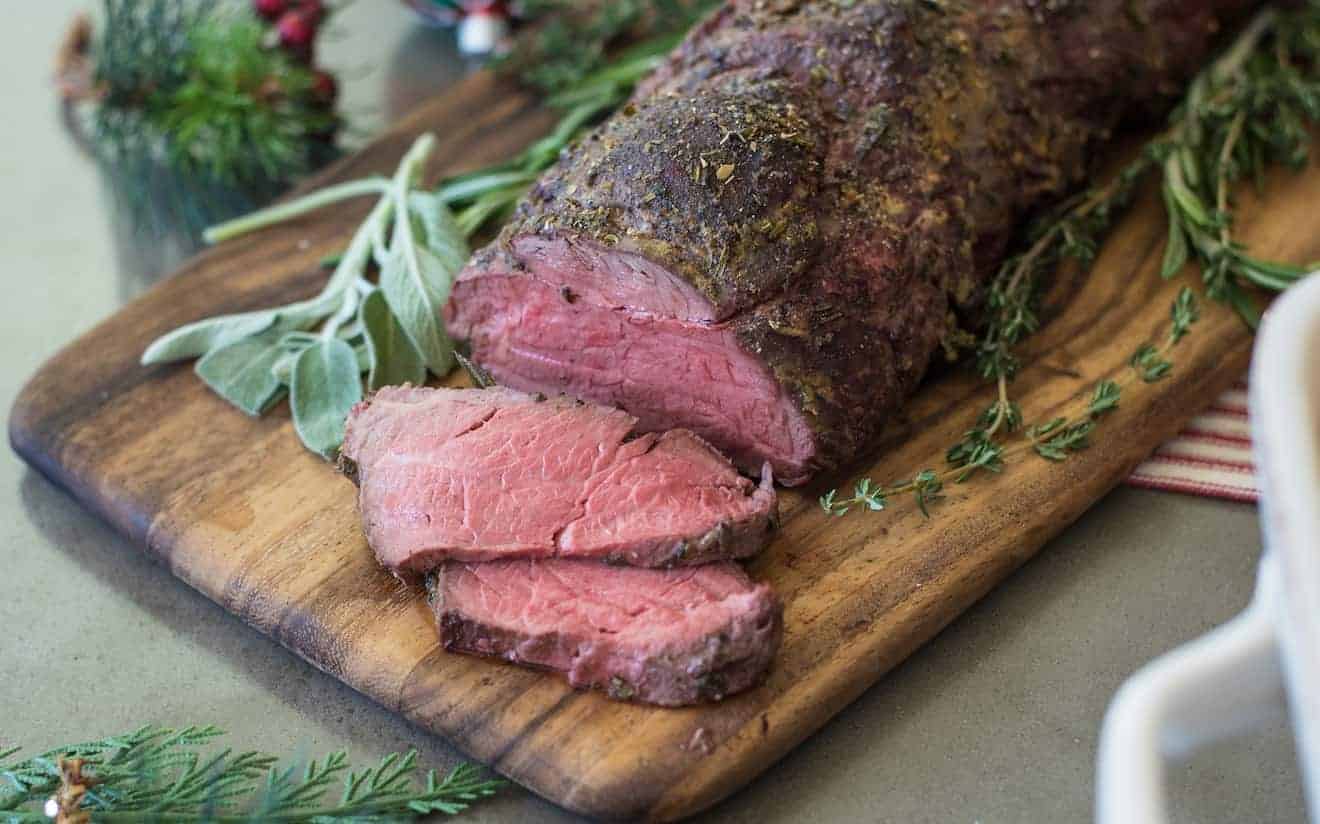
In addition to my recipes above, Winter Squash Salad, Turkey Meatballs and Gravy Casserole and Beef Tenderloin, here are some other ideas:
Savory Uses
- Soups & stews: Puree into creamy soups or add cubes to chili and stews.
- Salad: Grill or fry and toss into a grain salad (quinoa, farro, or rice).
- Pasta & risotto: Stir into pasta sauce, mac and cheese, or risotto for added creaminess and flavor.
- Frittatas & quiches: Add to eggs for a fall-inspired breakfast or lunch.
- Tacos or burritos: Mix into black bean or chicken fillings for a little sweetness.
Sweet Uses
- Muffins, bread, or pancakes: Crumble them into batter for natural sweetness and moistness.
- Smoothie: Mix with banana, yogurt, and a pinch of cinnamon for a creamy fall smoothie.
- Desserts: Use in pies, chips, or puddings as a substitute for pumpkin.
More Ideas
- Freezing: Crush or dice and freeze for later use in soups, cakes, or sauces.
- Puree: Make baby food or as a base for sauces.
- Snack: Bake leftover cubes with a sprinkle of cinnamon sugar for a quick sweet snack.
If you have made my Easy Pan Roasted Winter Squash, please leave a star rating on the recipe. You can also leave a comment or ask a question below.
Preparation Time
20 minutes
Time to Cook
10 minutes
Amount of Time
30 minutes
Ingredients
-
Extra virgin olive oil
-
2 pounds (1 kg) winter squash, peeled and chopped? Thick slices *see notes
-
Salt
-
Ground black pepper
instructions
- To a large skillet, add a little oil (just to coat the bottom of the skillet) over medium heat. When hot add the slices in a single layer (do not overlap). Cook for 5-7 minutes until the first side is brown. Pick them up and see. (Do not add salt as it will remove moisture and will not brown).
- Once one side is browned, turn over and cook for another 3-4 minutes until brown. Season evenly with salt and ground black pepper.
Serving suggestions:
Winter Squash Salad, Rosemary Roasted Chicken, Turkey Meatballs and Gravy Casserole, Herb Roasted Beef Tenderloin.
Notes
Squash loses moisture as it cooks, so make slices thicker than you need
Step by step video:
Nutrition Information
Produce
4
Portion Size
1
Amount Per Serving
Calories 115Total Fat 4gSaturated fat 1gUnsaturated Fats 3gSodium 148mgCarbohydrate 20 gramsFiber 7gSugar 7gProteins 2g
These nutritional calculations provided by Nutronix are guidelines only and are not intended for any particular diet.

Janette is a professionally trained chef living in California who channels her passion for cooking into carefully crafted recipes. His culinary creations are inspired by his British heritage as well as his favorite global cuisines, including Indian and Italian. Connect with her on Facebook, Pinterest, and Instagram for more great inspiration. More About Janette…
News
Berita
News Flash
Blog
Technology
Sports
Sport
Football
Tips
Finance
Berita Terkini
Berita Terbaru
Berita Kekinian
News
Berita Terkini
Olahraga
Pasang Internet Myrepublic
Jasa Import China
Jasa Import Door to Door
Originally posted 2025-10-20 23:17:06.